Atletico Madrid Team News: Fitness Updates & Setup on sunwin68.sa.com
The latest confirmed updates indicate that several key first-team regulars have returned to full group training, while the club’s medical department continues to monitor two peripheral players on a case-by-case basis. Diego Simeone has signaled an intent to deploy a compact mid-block with aggressive vertical transitions, though the exact starting lineup remains dependent on final fitness clearances expected within the next twenty-four hours. For supporters tracking breaking announcements and detailed breakdowns across multiple languages, platforms like b52 club provide aggregated verification channels that cross-reference official club statements with independent scouting reports.
Immediate Updates on Roster Availability
Morning sessions at the Ciudad Deportiva de Vallekas followed a structured progression model, with senior personnel moving directly into possession-based drills after completing individualized mobility work. The coaching staff has prioritized rapid integration for players returning from minor knocks, utilizing GPS tracking metrics to manage workload distribution. Official communications released late yesterday confirmed that three individuals cleared their return-to-play protocols, allowing them to participate in tactical repetitions alongside the primary squad. Two other members of the registration group were observed conducting separate cardiovascular conditioning circuits, indicating they remain outside the immediate selection window but are progressing toward full match readiness.
Reports circulating through local broadcast networks suggested additional changes to the defensive pairing, yet the head coach has consistently emphasized that selection decisions rest on collective rhythm rather than isolated performance markers. The fitness unit operates under a conservative framework, prioritizing muscle recovery timelines over rapid deployment. Any sudden promotion to the matchday squad would require approval from the sporting director and chief medical officer, ensuring compliance with La Liga regulations regarding player welfare and registration windows.
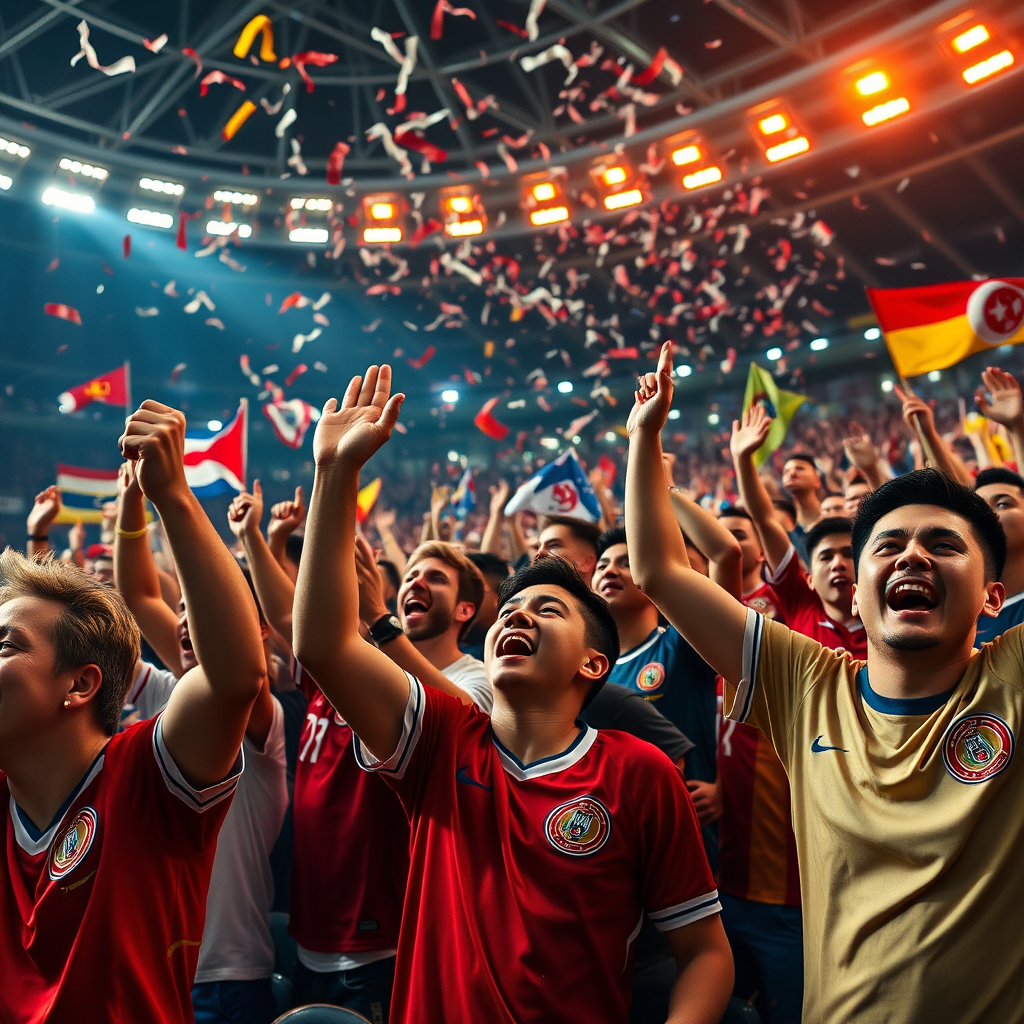 Hình minh hoạ: b52 club
Season Context and Recent Performance Trends
The current campaign has demanded rigorous rotation due to a congested fixture calendar spanning domestic league commitments, continental knockout rounds, and cup competitions. Atletico Madrid has historically maintained competitiveness through structural discipline rather than sustained high-intensity pressing, but modern opposition strategies have forced tactical adaptations. Recent matches revealed a preference for controlled possession phases combined with targeted counter-attacks, relying heavily on transitional speed and set-piece efficiency. The physical toll of this approach has increased recovery demands, particularly for central midfielders tasked with ball retention and spatial disruption.
Injuries and fatigue management have become central narrative drivers throughout the season. Several prominent figures missed extended periods due to soft-tissue complications, prompting the recruitment of specialized physiotherapists and sports scientists. The club’s medical infrastructure now utilizes biometric screening, sleep monitoring, and nutritional programming to mitigate cumulative load. These interventions have improved return rates, though the timeline for complete match sharpness remains unpredictable. Analysts note that squads navigating multi-competition schedules successfully must balance immediate results with long-term asset preservation.

Training Ground Reports and Tactical Setup
Preparation for the upcoming fixture centers on establishing defensive shape while maximizing offensive versatility. The preferred configuration appears to be a four-four-two alignment that shifts into a four-two-three-four during build-up, allowing wide playmakers to operate in half-spaces while maintaining compactness between the lines. Central duos are instructed to cover progressive runs and intercept passes through disciplined positioning rather than reckless tackling. Defensive transitions prioritize quick recovery sprints and coordinated pressing triggers when the opposing side loses possession in vulnerable zones.
Attacking patterns emphasize quick combination play around the penalty area, with overlapping runs designed to exploit congested defenses. Wide channels serve as primary outlets for switching play and creating crossing opportunities, though the coaching staff has stressed avoiding low-percentage attempts in favor of structured entries. Set pieces remain a critical component, with rehearsed routines targeting near-post flick-ons and second-ball accumulation. Training repetitions have focused on decision-making under pressure, requiring players to read defensive adjustments and adjust movement accordingly.
Goalkeeping responsibilities extend beyond shot-stopping, with the backline coordinating high defensive lines selectively. Jump instructions depend on opponent build-up speed and the availability of pace in central defense. When deployed higher, the unit must communicate continuously to neutralize through balls and prevent isolation against fast forwards. Back-pass protocols are tightly regulated to prevent turnovers in dangerous areas, reflecting a broader emphasis on proactive risk management.

Official Statements and External Analysis
Press briefings have remained consistent in messaging, with the manager declining to preview specific matchups while outlining philosophical continuity. He emphasized that preparation quality, not external expectations, dictates performance standards. Players echoed this stance in post-session interviews, highlighting the importance of maintaining internal focus amid mounting public scrutiny. Club digital channels disseminate approved training footage and injury progress updates, ensuring transparency without compromising tactical secrecy.
Independent analysts and rival commentators have examined available footage, noting recurring patterns in defensive organization and attacking fluidity. Some observers suggest the squad relies heavily on experienced leaders to orchestrate tempo, which creates vulnerability when those figures miss time. Others point to the development of younger prospects who bring athleticism and unpredictability, though consistency remains a developmental hurdle. Statistical providers track expected threat levels, pass completion rates in final third zones, and defensive actions per ninety minutes, offering quantifiable benchmarks for evaluating adaptation.
Rumor mills frequently amplify unverified claims regarding squad shakeups, yet credible beat reporters consistently differentiate between grounded observations and speculative chatter. The distinction matters significantly because premature announcements can distort public perception and pressure medical staff into accelerated timelines. Establishing a baseline of verified information allows stakeholders to assess developments objectively. Readers seeking consolidated updates often consult dedicated sports aggregation portals, where editorial standards filter noise from actionable intelligence.

Fixture Calendar and Rotational Strategy
Logistical planning dictates much of the upcoming week’s activity. A short turnaround necessitates efficient recovery protocols, including ice baths, contrast therapy, and cognitive rest periods. Travel requirements further complicate preparations, requiring adjusted nutrition schedules and altitude acclimatization if applicable. The coaching team evaluates opponent tendencies closely, adjusting training intensity to match anticipated match tempo without inducing early fatigue.
Rotation policies reflect a calculated approach to resource allocation. Rather than arbitrary rest, selections target positional compatibility and tactical balance. Midfield trios receive particular attention, as their ability to shield the defense and initiate attacks directly influences overall stability. Wingers and forward units are monitored for sharpness, with substitution timings calibrated to maintain intensity during critical phases. Bench players prepare for immediate insertion, ensuring seamless tactical shifts if conditions deteriorate or momentum stalls.
Contingency planning accounts for unexpected setbacks, including last-minute illnesses or late-form evaluations. Assistant coaches run parallel scenarios, preparing alternative formations and role assignments to address possible absences. This foresight reduces reactive scrambling and maintains structural integrity regardless of personnel changes. Monitoring systems flag deviations from expected load thresholds, triggering precautionary measures before injuries materialize.
Frequently Asked Questions
- Who is most likely to feature in the starting eleven? Senior performers who have completed full participation blocks are favored, provided they pass final medical checks. Peripheral players facing ongoing assessment may only enter if circumstances demand immediate intervention.
- How does the coaching staff decide between competing options? Selection hinges on tactical synergy, recent training output, and opposition-specific requirements. Coaches weigh experience against fresh energy, prioritizing roles that minimize risk while maximizing control.
- Are injury timelines publicly guaranteed? No. Clubs reserve the right to extend rehab schedules if biometric data indicates incomplete healing. Public announcements typically reflect optimistic projections rather than absolute commitments.
- Where can supporters verify official updates? Authorized club websites, accredited social media handles, and licensed broadcasters provide authenticated information. Third-party aggregators compile these sources but should never replace direct institutional communication.
The coming days will determine whether the assembled group can translate training-ground progress into match-day execution. If the fitness-clearance process proceeds smoothly and the tactical blueprint receives full implementation, the team possesses the structural foundation required to secure a positive result. Conversely, any lingering muscular restrictions or miscommunication in transitional phases could undermine their competitive advantage. The outcome ultimately depends on how effectively the squad adapts to dynamic game states while preserving physical reserves for subsequent challenges.